Spain has become one of the world’s great gastronomic hotspots, and nowhere is that more evident than in the incredible concentration of MICHELIN restaurants. As Spain’s culinary scene continues to earn international acclaim, the country stands out as a leading destination for food lovers worldwide.
From cutting-edge tasting menus in Barcelona to seafood temples in Cádiz and avant-garde Basque cuisine in San Sebastián, the country offers a special journey for diners who want more than just good food, they want a deep connection with the land, its people, and its traditions.
According to the 2025 MICHELIN Guide Spain, there are 291 star restaurants in Spain and Andorra. That makes Spain one of the countries with the highest number of MICHELIN-starred restaurants in the world, regularly featuring in the world’s top culinary rankings and home to Spain’s celebrated chefs. Spain boasts some of the best restaurants in Europe, including several contenders for the title of best restaurant in the world, and offers unforgettable dining experiences.

Introduction to Michelin Guide Spain
The Michelin Guide Spain stands as the gold standard for discovering the best restaurants in Spain, celebrated for its rigorous selection process and its role in highlighting exceptional cuisine. Published annually, the Michelin Guide Spain is a trusted companion for food lovers seeking out the most memorable dining experiences, from bustling tapas bars to the most refined Michelin-starred restaurants.
Each year, anonymous Michelin inspectors travel across the country, evaluating restaurants in Spain based on the quality of their dishes, the mastery of technique, and the consistency of their cuisine. With 291 Michelin-starred restaurants featured in the latest edition, Spain has firmly established itself as a paradise for gourmets and culinary adventurers.
Whether you’re searching for traditional flavors or innovative creations, the Michelin Guide Spain is your essential roadmap to the country’s vibrant food scene, showcasing the very best restaurants, starred restaurants, and unforgettable dishes that make Spain a world leader in gastronomy.
How the MICHELIN Guide works in Spain
The MICHELIN Guide has been published by the French tyre company Michelin since 1900, and the MICHELIN Guide Spain is now one of the most closely watched editions for serious food lovers. Anonymous inspectors travel the length of the country, visiting restaurants in Spain multiple times, and the MICHELIN Guide’s stars are never permanent. Every star restaurant is constantly re-evaluated.
Inspectors base their scores on five classic criteria: the quality of the products, mastery of flavour and cooking techniques, the chef’s personality expressed on the plate, value for money, and consistency between visits. When these criteria are met, a restaurant can earn one star for high-quality cooking, two stars for excellent, creative cuisine, and three stars for exceptional cuisine that is worth a special journey.
In practice, that means:
- One star (or one MICHELIN star) highlights excellent cooking and a restaurant that is well worth a stop on your itinerary. For many chefs, gaining one star or even one MICHELIN mention is the first big step in international recognition.
- Two stars (or two MICHELIN stars) are reserved for restaurants with outstanding technique, often featuring two tasting menus or a refined à la carte menu that showcases very creative cuisine.
- Three stars (three MICHELIN stars, sometimes called three MICHELIN) are the highest honour. Three MICHELIN-star restaurants represent the pinnacle of haute cuisine. They are considered three stars of the global gastronomic universe. The places you might plan an entire trip around, chasing that elusive third-star magic.
Because the stars are re-examined regularly, chefs live with the constant excitement and pressure of keeping their stars, or in some cases, reaching for a third star in their own restaurant.
What is a Michelin Star
A Michelin star is one of the highest honors a restaurant can receive, symbolizing a commitment to exceptional cuisine, creativity, and consistency. The Michelin Guide awards stars on a scale: one star recognizes high-quality cooking that is worth a stop; two stars are given for excellent cooking that is worth a detour; and three Michelin stars are reserved for restaurants offering exceptional cuisine that is truly worth a special journey.
Achieving even one star is a mark of distinction, while three stars place a restaurant among the world’s elite. In Spain, renowned establishments such as ABaC, Akelaŕe, and Azurmendi have earned three Michelin stars, celebrated for their innovative and creative cuisine. These stars are not just awards—they are a testament to the dedication, skill, and vision of the chefs and teams behind each restaurant, making Spain a destination for those seeking the very best in the world of food.
The 2025 numbers: stars, regions, and rising culinary talent
In the 2025 edition, there are 291 restaurants with MICHELIN stars in Spain and Andorra. Sixteen of these are three MICHELIN-star restaurants, sitting at the top of Spanish gastronomy; below them is a layer of two-star restaurants, and a broad, diverse base of one-star restaurants that are making waves across the country.
The 2025 MICHELIN Guide Spain ceremony, held in Murcia, unveiled 32 new entries, including one with one MICHELIN star and three promoted to two stars. Spain ranks among the world leaders in MICHELIN stars, and the list grows almost every year as new restaurant projects mature and more young chefs showcase their culinary talent.
The MICHELIN Guide currently groups Spain and Andorra in a single selection, while Portugal now has its own separate guide and ceremony. This structure underlines how strong the network of star restaurants in Spain has become; from tiny villages to major capitals, the map of stars covers almost every corner of the country.
New Entries in the Michelin Guide Spain
The 2025 Michelin Guide Spain introduces an exciting array of new entries, reflecting the dynamic evolution of Spanish gastronomy. Among the highlights is Casa Marcial, which has ascended to the prestigious rank of three Michelin stars, recognized for its creative and innovative approach to cuisine. The guide also welcomes new two Michelin star restaurants such as Alevante, LÚ Cocina y Alma, and Retiro da Costiña, each celebrated for their excellent cooking and technical mastery.
Additionally, 32 new restaurants have been awarded one Michelin star, including standout newcomers like Fishølogy, MAE Barcelona, and Prodigi. These fresh additions to the Michelin Guide showcase the diversity and richness of Spain’s culinary landscape, with a strong emphasis on local ingredients, traditional techniques, and inventive dining experiences. Whether you’re seeking a refined tasting menu or a unique à la carte offering, these new Michelin-starred restaurants promise to delight and inspire.
Where to eat: the main Michelin-starred regions in Spain
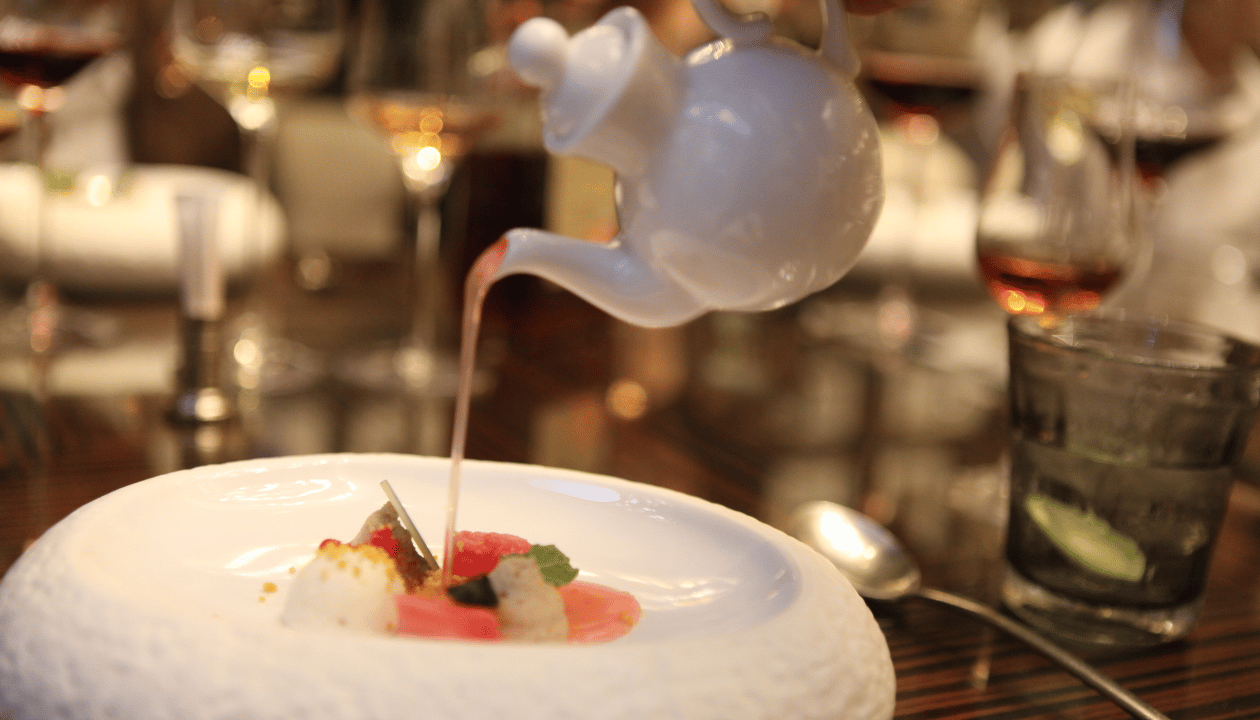
Barcelona and Catalonia
Catalonia – and especially Barcelona – is one of the most important clusters of MICHELIN-starred restaurants in Spain. Barcelona alone has 33 MICHELIN-starred addresses, including four with three MICHELIN stars: ABaC, Cocina Hermanos Torres, Disfrutar, and Lasarte. In the city, you can move from tapas bars to haute cuisine in a single evening, discovering why Barcelona is considered the capital of modernist cuisine.
Disfrutar has become famous worldwide for its playful, experimental tasting menu rooted in Mediterranean flavours and seafood, and is often ranked among the world’s top restaurants. Cocina Hermanos Torres, with its dramatic open kitchen, showcases local ingredients in a highly technical style. At the same time, Lasarte demonstrates elegant, urban haute cuisine with signature dishes that balance richness and finesse.
Beyond Barcelona, Girona is home to El Celler de Can Roca, run by the Roca brothers, one of the most iconic three-MICHELIN-star restaurants in Europe. Their restaurant is known for a theatrical dining experience, deep respect for local producers, and the creative use of olive oil, smoked eel, green apple, and other local ingredients in dishes that tell the story of Catalan life.
The Basque Country and San Sebastián
The Basque Country is another primary focus for Michelin restaurant watchers in Spain. With 22 starred establishments, this compact region boasts one of the highest concentrations of stars per square kilometre in the world. San Sebastian – or San Sebastian in many international listings, San Sebastián in Spanish, and Donostia San Sebastián in Basque – is a genuine gastronomic hotspot.
Here you will find Arzak and Akelarre, institutions of new Basque cuisine and Basque cuisine in general, as well as the flagship restaurant of Martin Berasategui, the globally renowned chef and restaurateur, in Lasarte-Oria. Martin Berasategui is celebrated for his Michelin-starred dining, innovative dishes, and significant influence on both the Spanish and international gastronomic scene. San Sebastián alone features 10 MICHELIN-starred restaurants, an extraordinary figure for such a compact city. The respect for seasonality, the Atlantic, and local producers is absolute. Many menus feature seasonal fish, spring onion, foie gras, and vegetables handled with precision.
From the pintxos bars of the old town to serious haute cuisine temples overlooking the sea, the Basque Country shows how traditional food culture and cutting-edge gastronomy can coexist, giving diners both casual bites and multi-course tasting menus in the same day.
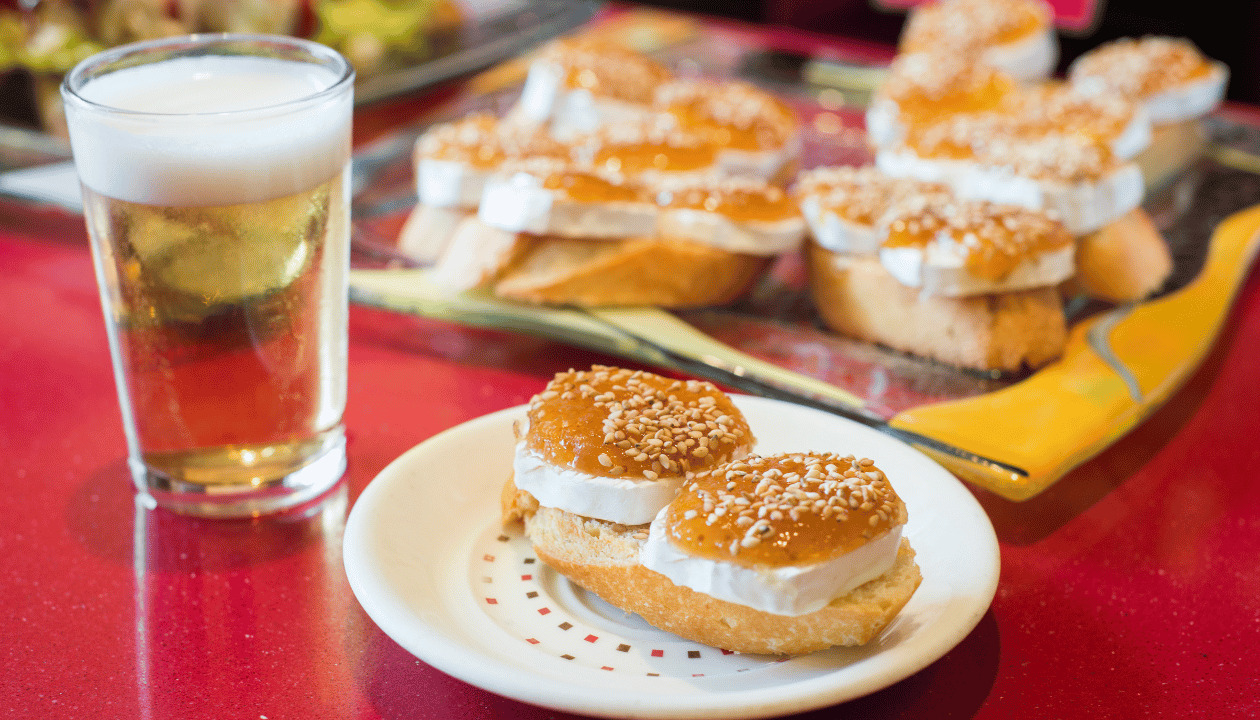
Madrid and the centre of the country
Madrid has grown into one of Europe’s most dynamic restaurant cities. The Spanish capital now boasts six restaurants with two MICHELIN stars, including Coque, Deessa, and others that blend innovation and tradition. The avant-garde DiverXO is famous for its wild mix of Spanish and Asian influences, proving how far creative cuisine can go.
At the same time, one Michelin-starred restaurant, such as Chispa Bistró, a buzzing new restaurant serving Mediterranean cuisine with international touches, illustrates how quickly the scene is evolving.
The region around Madrid and central Spain also offers surprises, from creative takes on La Mancha’s cuisine to refined country houses with serious wine cellars. An example is Ancestral’s modern reading of la mancha flavours, or elegant dining rooms in historic towns like alcalá del Valle and Villaverde de Pontones, where chefs reinterpret rural recipes for today’s diners.
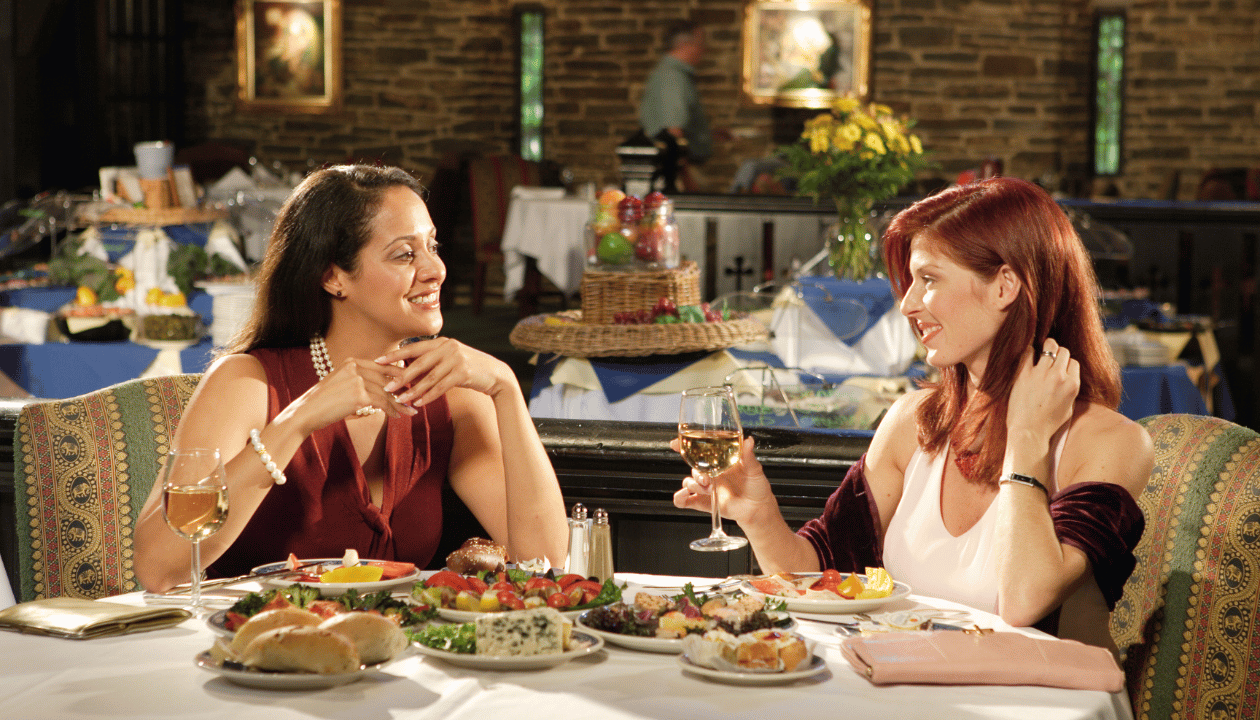
Andalusia, Cádiz, and the south
Andalusia is celebrated for its seafood and light, sunny dishes, with Cádiz standing out for restaurants that highlight the Atlantic and local ingredients such as fish, shellfish, and olive oil. In the province, you will find everything from relaxed one-star bistros to Aponiente in El Puerto de Santa María – often written as El Puerto de Santa in guide abbreviations – which holds three MICHELIN stars and a prestigious MICHELIN Green Star.
Led by chef Ángel León, sometimes called “the chef of the sea,” Aponiente explores plankton, bycatch species, and lesser-known fish to create a truly unique dining experience. His cuisine shows how a star restaurant can combine sustainability, technical brilliance, and emotional storytelling.
Other parts of Andalusia also shine. Noor in Córdoba reimagines historic Moorish recipes, while coastal towns offer star restaurants in Spain that turn simple food and fresh dishes into high gastronomic experiences.
Asturias, Casa Marcial and La Salgar
Chef Nacho Manzano leads Casa Marcial, a Michelin-starred restaurant renowned for his profound influence on Asturian gastronomy.
The same family-style cooking also appears at La Salgar in Gijón, another star restaurant that celebrates Asturian seafood and garden produce with precision. At Casa Marcial, the tasting menu draws inspiration from local landmarks such as El Cachucho and El Fitu, with these symbols of the Asturian landscape shaping the restaurant’s culinary identity and the naming of its signature dishes. Between the two restaurants, diners can see how one family and one chef can influence an entire region’s gastronomy.
Canary Islands, Extremadura, and lesser-known regions
The Canary Islands have also embraced MICHELIN culture, with star restaurants that mix Atlantic produce, volcanic terroir, and global influences. Tasting menus here often highlight local fish, tropical fruit, and vegetables grown in small plots that function almost like a vegetable garden by the sea.
In Extremadura, Atrio in Cáceres is one of Spain’s most admired three-MICHELIN-star restaurants, combining a legendary wine cellar with refined dishes and quiet luxury. Further afield, rural projects in places like Villaverde de Pontones show how ambitious chefs can create destination restaurants in tiny towns.
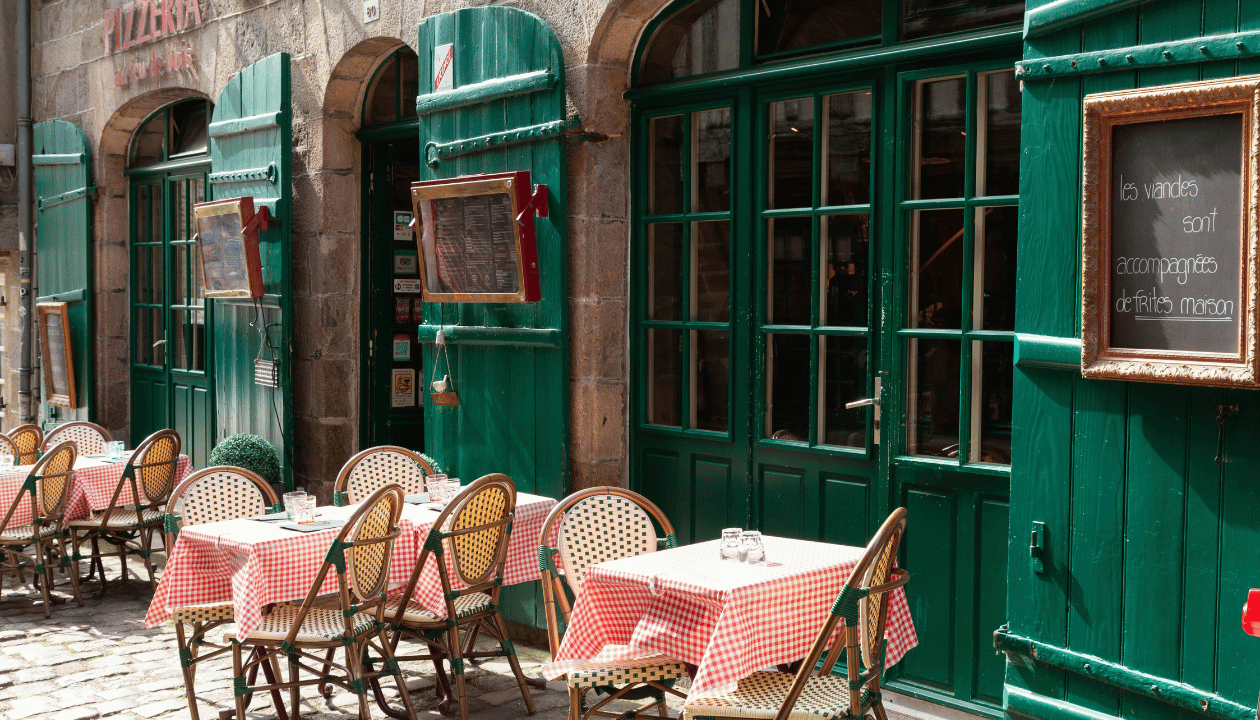
Three MICHELIN stars in Spain: the summit of haute cuisine
As of the 2025 guide, Spain is home to 16 three-MICHELIN-star restaurants. These include:
- ABaC, Cocina Hermanos Torres, Disfrutar and Lasarte in Barcelona
- El Celler de Can Roca in Girona
- Arzak and Akelaŕe in San Sebastián
- Martín Berasategui en Lasarte-Oria
- Aponiente en El Puerto de Santa María
- Azurmendi in Larrabetzu, near Bilbao
- Atrio in Cáceres
- Casa Marcial in Asturias
- DiverXO in Madrid
- Quique Dacosta in Dénia
- Noor in Córdoba
- Cenador de Amós en Villaverde de Pontones
Each of these three MICHELIN-starred restaurants offers a long, carefully choreographed tasting menu that often feels like a special journey through the chef’s memories and landscapes. It is here that you will most clearly see signature dishes built around seasonal produce, luxurious ingredients such as foie gras, smoked eel, or caviar, and bold contrasts like green apple gel with shellfish or powerful reductions of meat juices and olive oil.
Dining at this level is not only about food; it is about life stories, the emotion of achieving three stars after years of work, and the theatre of service. Many of these restaurants operate with an open kitchen, allowing diners to glimpse the choreography behind the plates and the teams of chefs who bring each course to the table.
Two stars and one star: the depth of Michelin-level gastronomy
Beneath the three-star icons is a rich layer of restaurants with two MICHELIN stars and one MICHELIN star that are every bit as exciting, and often easier to book.
Two MICHELIN-starred addresses, such as Skina in Marbella, Coque or Deessa in Madrid, and Mugaritz in the Basque Country, show how two stars can mean both excellent cooking and absolute creative freedom. In many of these dining rooms, you will find two restaurants in one: perhaps a shorter lunch menu and, in the evening, two tasting menus that explore the chef’s most ambitious ideas.
One-star restaurants are where new culinary talent often first appears on the MICHELIN map. Chispa Bistró in Madrid, for example, offers relaxed service, an energetic atmosphere, and exact dishes at fair prices. Across the country, hundreds of similar one-star establishments give diners access to MICHELIN-quality dining in every region, from Alcalá del Valle to small villages in Castilla, from village dining rooms to sleek city counters.
Whether you choose one star or two, you can expect thoughtful cuisine, high-quality ingredients, and a dining experience that feels personal and carefully staged, with excellent cooking that often costs less than the grand three stars.
Michelin Star Restaurant Trends
Michelin-starred restaurants in Spain are at the forefront of culinary innovation, embracing trends that reflect both global movements and local traditions. A growing number of restaurants in Spain are championing sustainability, with a focus on sourcing ingredients from local producers and reducing their environmental impact.
Esteemed establishments like Azurmendi and Aponiente are leading the way, integrating eco-friendly practices and celebrating the bounty of their regions. At the same time, avant-garde and experimental cuisine continues to thrive, with restaurants such as DiverXO and Disfrutar pushing the boundaries of flavor, technique, and presentation. Social media and digital platforms have become essential tools for starred restaurants, allowing chefs to share their creative journeys and connect with diners worldwide.
There is also a renewed appreciation for traditional and regional cuisine, as seen in the Basque Country’s celebrated kitchens, where chefs like those at Arzak and Martín Berasategui honor the rich culinary heritage of their country while infusing it with modern flair. These trends ensure that Spain remains a vibrant and ever-evolving gastronomic destination.
Michelin Green Star restaurants in Spain: sustainability on the plate
Beyond the traditional star system, the MICHELIN Guide also highlights restaurants that are sustainability pioneers with the MICHELIN Green Star. Nine restaurants in Spain currently hold this distinction, recognised for their commitment to local producers, eco-friendly practices, and a creative approach to zero waste.
Among them are:
- Aponiente in El Puerto de Santa María, led by chef ángel león and famous for its marine research and sustainable seafood.
- Azurmendi in the Basque Country, where Eneko Atxa has created a restaurant surrounded by a vegetable garden and sustainable architecture.
- Cocina Hermanos Torres in Barcelona, which focuses strongly on local ingredients and suppliers, integrates a green star philosophy into its haute cuisine.
- Sollo in Fuengirola is a star restaurant that grows its own vegetables and farms freshwater fish on site.
These green star restaurants show that luxury and responsibility can go hand in hand. Menus often highlight humble vegetables, rare grains, and by-products elevated to high gastronomy, from creative uses of spring onion tops to refined desserts with herbs from the vegetable garden. For many diners, visiting a green-starred address becomes a lesson in how restaurants in Spain can help protect the environment.
Planning your Michelin dining experience in Spain
If you are planning a trip focused on Michelin restaurants, Spain offers an extraordinary range of options. Start by deciding whether you want a long tasting menu at a three-MICHELIN-star temple, a relaxed bistro with one star, or a sustainable green-star project. Then consider the regions that most appeal to you: perhaps Basque Country pintxos and San Sebastián sunsets, Barcelona’s design-driven dining rooms, Andalusian seafood in Cádiz, or volcanic landscapes and star restaurants in Spain’s Canary Islands.
Book early – especially for three Michelin-star addresses or a famous new restaurant – and always check the Michelin guide for the latest updates, as stars are re-evaluated every year. Remember that behind every listing is a chef and a team who have dedicated their life to gastronomy, often balancing à la carte menus and tasting menus, research and tradition, and dreaming about that possible third star.
Future of Michelin Star Restaurants in Spain
The future of Michelin-starred restaurants in Spain is bright and full of promise, driven by a new generation of chefs who are redefining what exceptional cuisine means. As sustainability and the use of local ingredients become even more central to the philosophy of starred restaurants, diners can expect menus that celebrate the best of Spain’s land and sea while respecting the environment.
Traditional techniques are being reimagined with a modern twist, ensuring that Spain’s culinary heritage continues to inspire innovation. The influence of social media and online engagement is set to grow, helping restaurants reach a global audience and share their stories in real time.
With Spain’s popularity as a travel destination on the rise, the demand for world-class dining experiences will only increase, placing Michelin-starred restaurants at the heart of the country’s cultural and gastronomic appeal. As Spanish cuisine continues to evolve, the world will be watching and tasting—the next chapter in the story of Spain’s exceptional restaurants and chefs.
Turn Your Michelin Map into a Real-Life Adventure 🍷🇪🇸
Reading about Michelin-starred restaurants in Spain is one thing—sitting at the table is another. With our Spanish Homestay Immersion Program (SHIP), you can do both.

Stay with our carefully selected host teachers in Spain for 1 to 4 weeks, improve your Spanish in real life, and then:
- Explore Michelin-starred restaurants together with your host teacher, who can help you understand the menu, the culture, and the stories behind each dish.
- Or enjoy a self-exploring day each week, where you can book a tasting menu, visit a star restaurant you’ve read about, and practice your Spanish with chefs and staff.
If you love gastronomy as much as language and culture, SHIP is the perfect way to live, learn, and taste Spain from the inside out.
👉 Ready to combine Spanish immersion with world-class dining? Contact us today to choose your city, your host teacher, and your 1–4 week stay.
