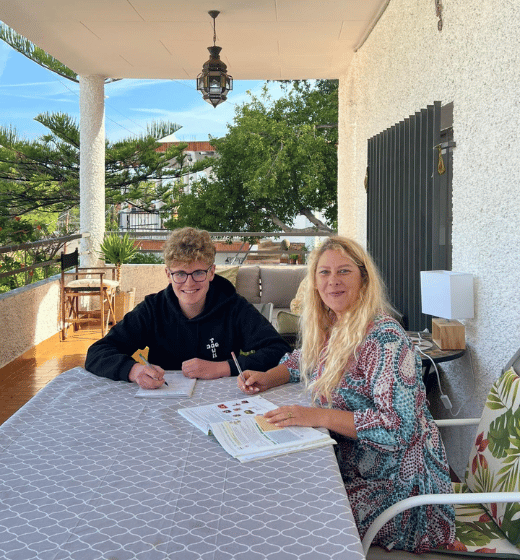
Staying in someone else’s home can feel exciting, meaningful and a little confusing at the same time. Many homestays promise real cultural experiences with a local family, home-style food, friendly conversations, and hidden gems that are never found in tourist guides. It sounds inspiring, but it is normal to think about safety measures, privacy, daily routines and house rules before you book a stay.
A homestay gives you real-life exposure inside a community, not a hotel room. You live with real people, follow local customs, share a room or house layout that may feel new and learn about a fresh culture from inside the home. Some travelers enjoy the warm welcome, new food, safe access to the city and local advice, while others want clarity about emergency contacts, security measures and how comfortable their stay will be from day one.
This guide focuses on real safety tips, questions you must ask, small details to check before booking and signs that show if a homestay is suitable for you. By the end, you will be able to judge safety, comfort, learning value and your personal comfort zone before making a final decision.

Let’s start and explore it step by step.
Why People Choose Homestays and Why Safety Matters?
Many travelers want more than a room, breakfast and basic access to a city. They want local culture, daily conversations, life skills and real connections. Homestay families can give a warm welcome and guidance that feels personal. Many hosts enjoy sharing food, local customs, stories, study tips and helpful ideas based on real community life. This makes a homestay feel more human and meaningful compared to hotel stays or student halls.
A homestay can also support students who are studying abroad and need a calm room, contact details for support and someone who can show them how the neighborhood works. You get small details that guide your visit, such as the best transport, safe areas to explore, friendly shops and hidden gems that other students do not usually find.
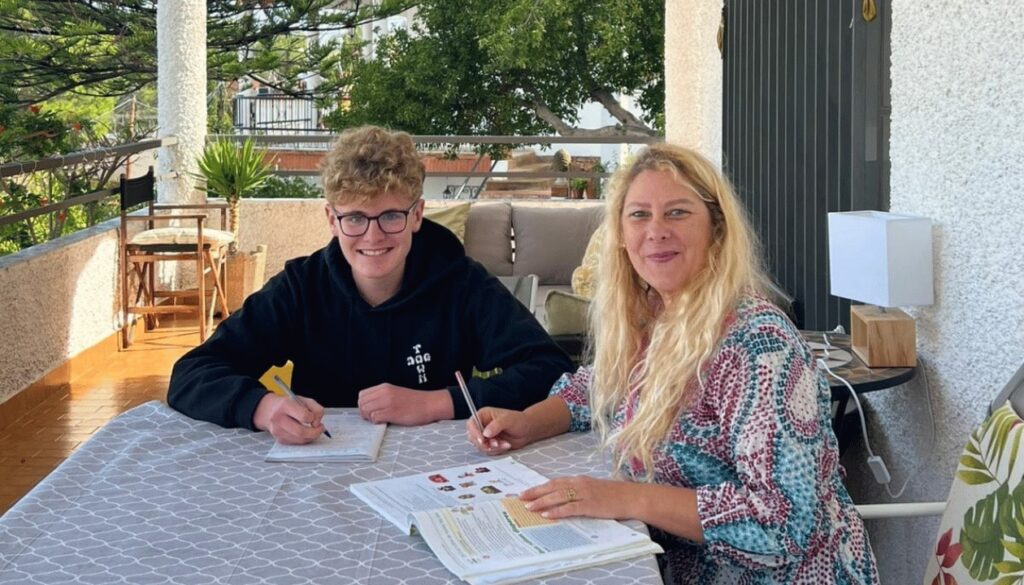
Safety still matters because you live inside a private house with people you do not know yet. You are in a new culture and sometimes a new country, so you need to confirm security measures, house rules, emergency contacts and local laws. A safe homestay gives clear information, open communication and a plan for any emergency. When these parts are handled well, you can relax and enjoy the community, food, course and daily routine with peace of mind.
What “Safe” Homestays Really Mean — Key Dimensions
A safe homestay is not only about a clean room or friendly hosts. It is a full environment that protects your comfort, health, privacy and daily routine. You stay inside a real house, so clear safety measures and security measures matter. A safe homestay gives open communication, clear house rules, honest contact details and a support plan in case you need help while living abroad.
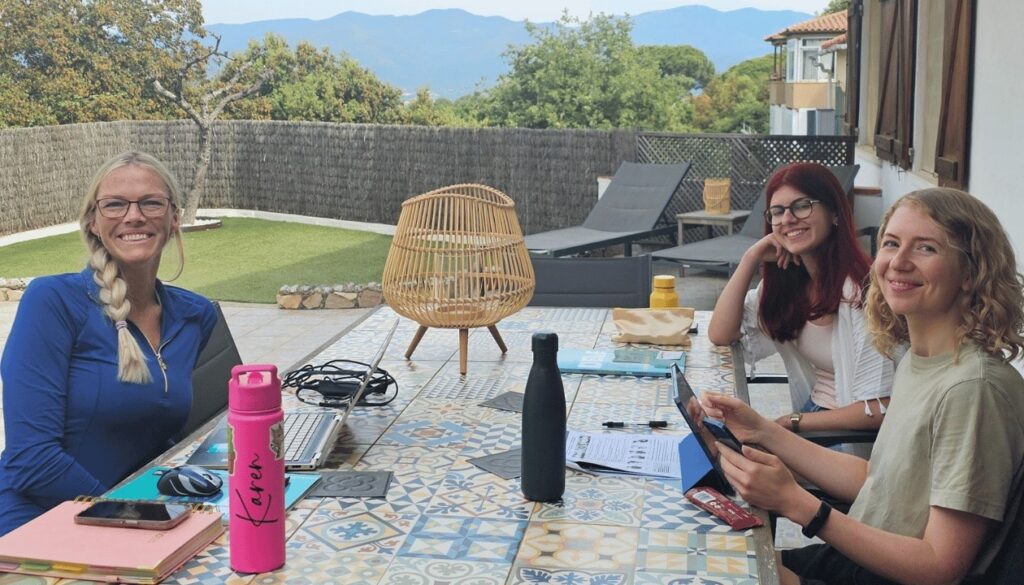
Here are the core signs that show a homestay is safe and traveler-friendly:
1. Verified hosts and clear identity
You should know who is hosting you, how long they have hosted guests and if they follow local laws. Many homestays share a short introduction of the local family, work background, languages they speak and their homestay experiences with other students. This builds trust before arriving at the property.
2. Easy access to safety information
A safe homestay shares local emergency numbers, emergency exits inside the house, rules for keys and entry and a simple plan for late nights. Local authorities’ information should also be shared, so you know who to contact if you need help outside the home.
3. Respect for privacy and cultural differences
You stay in someone else’s home, so clear expectations matter. A safe host explains local customs, house rules, space boundaries, food routine and any part of the house that is private. This helps you adjust without stress and keeps you aware of how to communicate with respect while you learn a new culture.
4. Safe and comfortable location
A secure neighborhood is important. Look at crime statistics, street lighting, transport access and how far the house is located the nearest town center. If the location feels safe to visit during the day and night, you will settle faster and enjoy the community.
5. Real proof through guest reviews
Read reviews shared by previous guests before you confirm your booking. Positive feedback gives more confidence than long marketing text. Pay attention to sleeping comfort, food quality, house cleanliness and how the host responded if a small issue appeared.
6. Clear responsibility and agreements
Safe homestay families explain what is included, what requires additional costs, what is not allowed, and what support is provided. You need clarity on breakfast, laundry, room facilities and access to the kitchen or living room.
7. Real safety tools
Travelers can also use small items such as a portable lockbox for valuables. It is a smart personal step that protects your comfort zone without offending anyone.
When all these parts match your comfort level, you have already reduced most risks. You save time, effort and money because you prepare before you travel, not after you arrive.
Are Homestays Safe? Research-Based Assessment
Most travelers want a comfortable stay, friendly hosts, good food, helpful advice and a secure room. Safety in homestays is not based on luck. It comes from planning, clear information and smart checks before you confirm a property. Experts in study-abroad programs and housing explain that risk becomes smaller when guests prepare and communicate with hosts before arrival. Good planning creates confidence, so you stay focused on your course instead of feeling stressed.
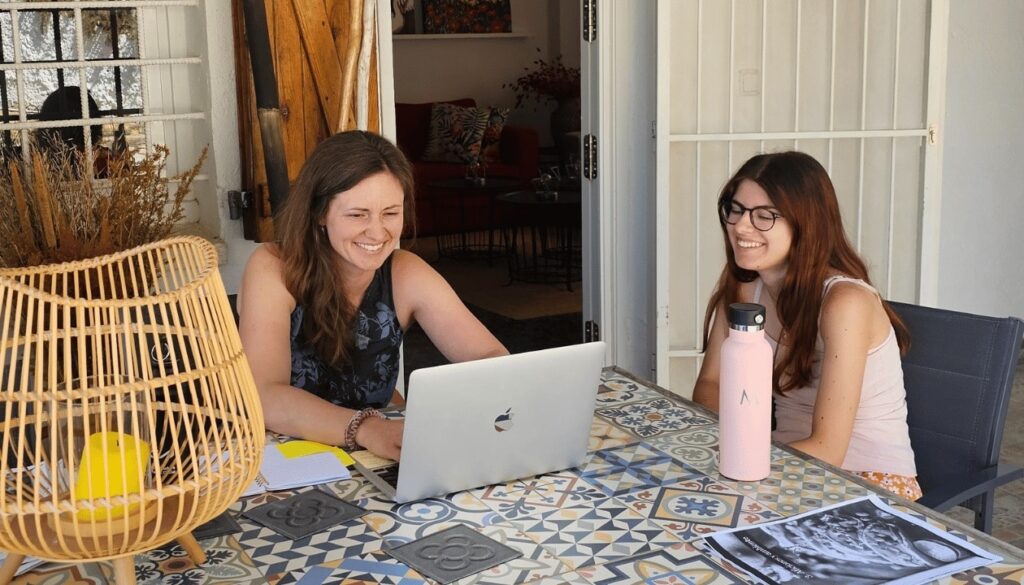
Risk and preparedness in simple words
Any place can feel risky if you visit without preparation. A homestay can feel very safe when you understand house rules, learn local customs, check the neighborhood location, save local emergency numbers and plan how you will communicate with your host if you need help. Being prepared gives more protection than fear. Prepared guests adjust faster, speak with confidence and enjoy the community with peace of mind.
Institutional homestays vs informal platforms
Many homestays are arranged through official study-abroad programs, language schools or trusted organizations. These usually follow safety measures, respect local laws and share clear rules for the house. Some also guide new guests on cultural differences, personal boundaries and how to explore the city with basic safety tips. Platforms that are informal can also provide amazing memories, but travelers need extra checking. You have to read reviews on the website, confirm real photos of the room, verify the location, check access to transport and ask clear questions before payment.
Institutions and approved programs often have regular contact with local authorities, emergency contacts and support staff. They can check the property, meet the host family and handle complaints if needed. Independent listings are not always risky, but you carry more personal responsibility during communication and booking.
In simple words, safety grows when you choose a verified system, ask helpful questions and take time to research guest reviews, host background, city area and property rules. A careful start protects your comfort, time and money so you enjoy your visit, explore with confidence, learn a new culture and stay connected with your goals.
When Homestays Are Not Safe
Even though many homestays offer caring hosts, warm food, friendly community life and helpful guidance, some options are not suitable for travelers or students. Safety concerns appear when the basic checks are missing or when communication feels unclear. Here are real red flags that signal you should not continue with a booking.
1. No verified identity or background
If the host cannot provide real contact details, full name or clear information about the house, room, location or family members living inside the property, do not confirm the stay.
2. No safety instructions inside the house
A safe homestay must explain emergency exits, local emergency numbers, neighborhood safety, rules for house access and how to communicate if something goes wrong.
3. No clear house rules or boundary guidance
A homestay is still someone’s private space. If the host avoids sharing house rules, privacy rules, food schedule, safety measures, guests policy or quiet hours, it shows poor management.
4. No guest reviews or unclear feedback
Even new hosts can offer good service, but you still need proof. If there are no reviews from previous guests or only low-quality reviews, you must check more details before confirming.
5. Property looks different from pictures
If photos look edited, unclear or suspicious, ask for a short video call. A safe host will not hide the room, shared areas or neighborhood surroundings.
6. Location feels unsafe or isolated
You need access to safe transport, stores, community spaces and a reliable neighborhood with basic lighting and foot traffic. Always check crime statistics, distance from your company, course or university and how long it takes to get help if needed.
7. Extra payments without clear reason
If the host asks for additional cost with no explanation or asks to pay outside the platform, you should step back.
A safe stay must feel clear, respectful and well-explained before you arrive. If something feels confusing, trust your instinct and search for a better match. Your safety, comfort, time and money matter.
How to Evaluate a Safe Homestay Before Booking
A smart check can protect your comfort, money and travel goals. Use this simple checklist before final confirmation so you enter the house with confidence, not fear.
1. Check verified information
Confirm full names, photos, guest reviews, location and property details. Ask how long they have hosted other students and what type of guests they accept.
2. Ask safety-related questions
Request information about local emergency numbers, emergency exits, neighborhood safety and any support from local authorities if needed.
3. Understand living rules
Good hosts explain house rules, food routine, shared areas, visitors’ policy, cultural differences and timings. Clarity keeps daily life smooth.
4. Check facilities available
Ask about privacy level, room size, study space, bathroom access, breakfast schedule and cleaning routine. You need a comfortable stay that supports your goal abroad.
5. Confirm communication method
Safe hosts share direct contact details and reply with clear answers. Good communication builds trust before you reach the city.
6. Study the area
Check crime statistics online and view the neighborhood on maps. Look for stores, transport and community spaces close to the property.
7. Ask for a short video call
A real tour gives you confidence. You can also check house condition, voice tone and energy of the host family.
8. Prepare a personal safety kit
Simple items like a portable lockbox or extra padlock can protect small valuables without making anyone uncomfortable.
A safe decision begins before booking. When you check facts with patience, you enter the new culture with peace in your heart and a clear start.
Safety in Homestays vs Hotels vs Student Residences vs Airbnb
| Criteria | Homestays | Hotels | Student Residences | Airbnb |
|---|---|---|---|---|
| Cultural learning | Very strong through daily life with a local family | Very low | Low to medium | Low to medium |
| Local guidance | Personal advice, real community tips, help with local customs | Limited front-desk help | Peer support only | Depends on host |
| Privacy level | Shared house environment | Full private room | Shared facilities | Private or shared based on listing |
| Safety checks | Varies based on screening and rules | Standard security systems | Basic campus-style supervision | Host-controlled |
| Emergency support | Host helps with local emergency numbers and contacts | Hotel staff available | Residence management | Depends on host response time |
| Cost for long stays | Usually budget-friendly for students and travelers | Higher cost | Medium | Varies by location and season |
| Community feeling | Strong with local culture and daily interaction | Very low | Strong among students | Weak unless host is present |
| Food availability | Home-style meals based on house rules | Extra cost | Limited cooking facilities | Depends on kitchen access |
| Real-life communication practice | Daily natural conversation | None | Peer talk only | Limited |
Case-Based Scenarios (Safe vs Unsafe Outcomes)
Case 1: Solo student studying abroad
Safe outcome:
Student confirms verified host, checks guest reviews, learns house rules, saves local emergency numbers and joins the community with confidence.
Unsafe outcome:
Student books fast without reading reviews or checking crime statistics and feels stressed about the neighborhood at night.
Key takeaway:
Slow research is safer than fast booking.
Case 2: Female traveler living for a short language course
Safe outcome:
Video call with the local family, clear information about room space, security measures and access inside the property.
Unsafe outcome:
No call, unclear photos, no contact details and confusion about who else lives inside the house.
Key takeaway:
Always confirm who you will live with before payment.
Case 3: Adult traveler joining cultural programs
Safe outcome:
Traveler understands local customs, speaks with respect, keeps communication open and uses a portable lockbox for valuables.
Unsafe outcome:
Traveler ignores cultural differences and creates conflict inside the house.
Key takeaway:
Good manners are part of personal safety.
Case 4: Teen on a supervised learning visit
Safe outcome:
Institution confirms local laws, property safety and support from local authorities if needed.
Unsafe outcome:
Parents book through an informal website with no real identity check.
Key takeaway:
Teens need verified systems.
Case 5: Family with a child
Safe outcome:
Family confirms room size, food routine, emergency exits and neighborhood access before arrival.
Unsafe outcome:
Family assumes everything will be comfortable without asking questions.
Key takeaway:
Clear questions protect comfort for both adults and children.
Introducing a Safer Alternative — Spanish Homestay Immersion with Certified Teachers
Some travelers want more than a basic stay with a local family. They want cultural learning, language growth and a safe environment run by trained hosts who understand responsibility and student care. This is where the Spanish Express Spanish Homestay Immersion Program (SHIP) creates a different experience.

In this program, guests stay with certified native Spanish teachers who also serve as trained hosts. Each teacher completes identity verification, police check (DBS) and safeguarding training, which gives students a clear sense of safety and structure from the first day. You live in a comfortable home, learn through natural conversation, improve Spanish skills and still enjoy cultural activities in the city with a person who knows local customs and community life.
The focus is not only accommodation. It is a full learning setting that supports daily communication, personal growth and peace of mind. The host-teacher explains rules, expectations, safety steps and simple guidance for exploring the city at your own pace. This support matters for students who are abroad for the first time and want a safe environment that feels warm and educational at the same time.
You can learn more about the program on the official website of Spanish Express.
Why Host-Teacher Immersion Is Safer Than Standard Homestays
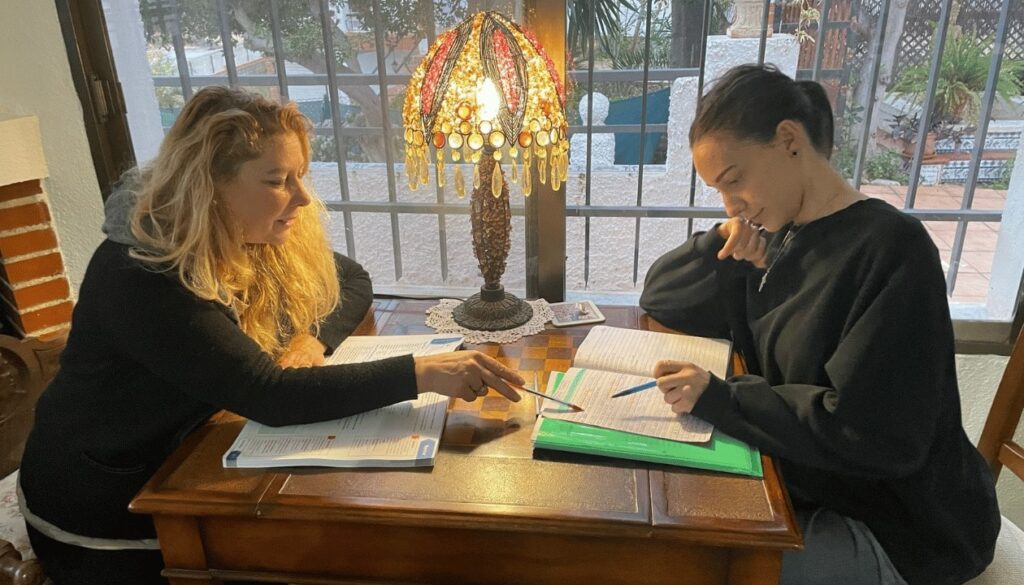
Some students want a homestay that feels safe and educational at the same time. The Spanish Homestay Immersion Program (SHIP) by Spanish Express follows a structured setup where students live with qualified Spanish teachers who host learners inside their own home. This is not informal accommodation, it is a guided learning stay with a clear academic purpose each day.
Students receive one-to-one support, personal attention, and regular monitoring, which creates a safe and focused environment for life abroad. The program also follows professional standards and an ethical code, so students know what to expect from day one. This makes the stay suitable for learners who want comfort, guidance and a study-friendly home while adjusting to a new place.
Final Verdict — Are Homestays Safe?
Homestays can feel safe and helpful for students and travelers when you choose them with awareness, not guesswork. Safety grows when the stay has clear structure, open communication and verified hosts who follow rules that protect students in a new place. The more information you confirm before arrival, the more confident and relaxed you feel inside the home and the community.
A smart choice is not the cheapest or the quickest. It is the one that gives clarity, comfort and real support so you can focus on learning, exploring and settling into a new culture with peace of mind.
Practical Takeaways
- Research with patience, not emotion
- Confirm identity, reviews, rules and location
- Save emergency information before you travel
- Ask clear questions and trust your instinct
- Choose learning and safety over low price
When these parts align, a homestay can become one of the most rewarding ways to learn, explore and grow abroad.
